

Exscape

Categories
Blog

The Tunisian video game scene is experiencing real acceleration

The Tunisian video game scene is experiencing real acceleration: bold indies, a few structured studios, and initiatives that are starting to connect local teams with international accelerators and trade shows.

Telling these stories, giving creators a voice, and promoting their games, that’s exactly the kind of work that Exscape promotes and showcases: highlighting Tunisian talent so they can find audiences, partners, and funders.
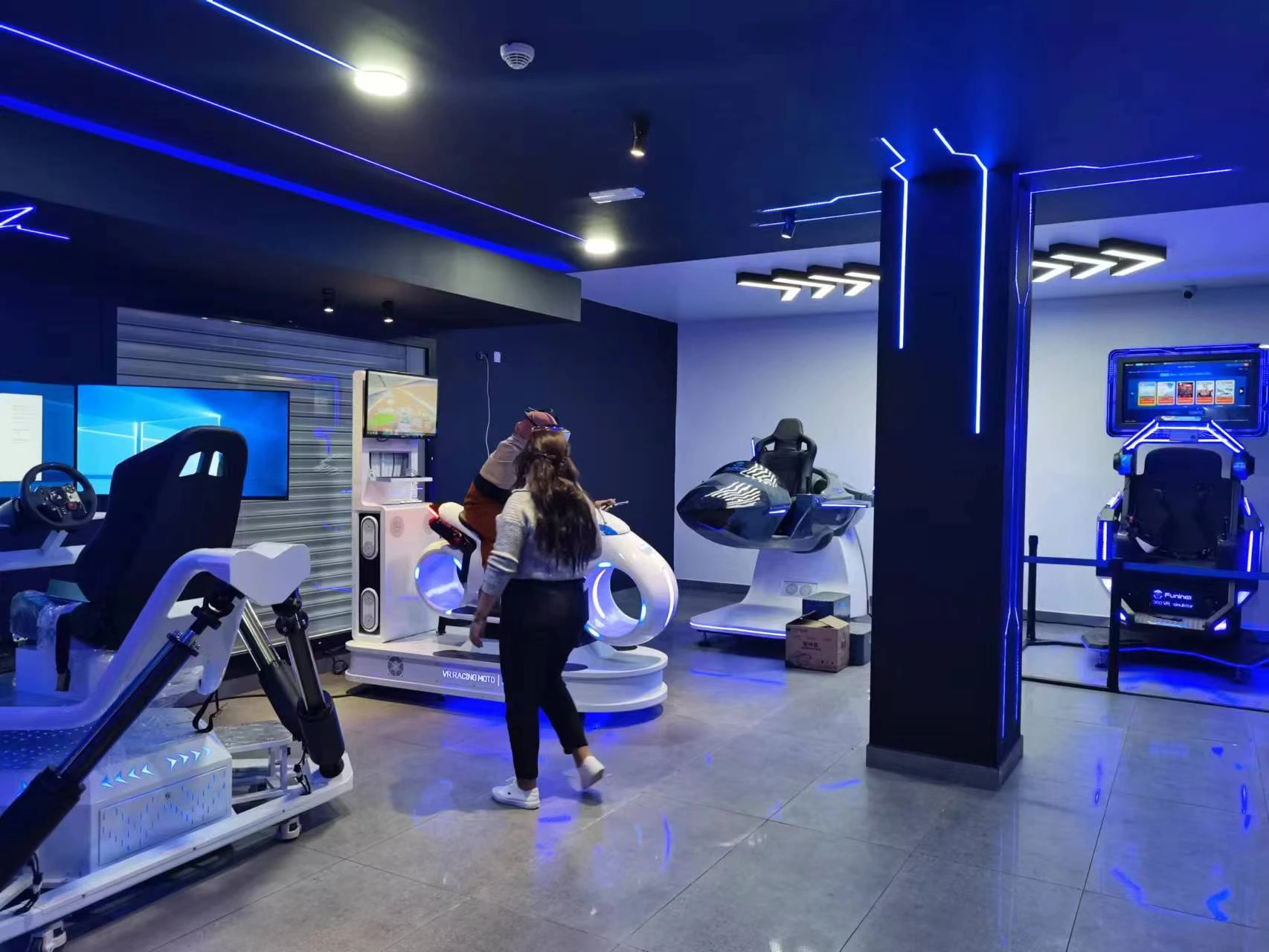
Discover the bold indie studios driving Tunisia’s gaming boom. Meet rising developers, Gamescom stars, and the teams shaping a global future.

Who to watch? Studios and collectives to know

Here’s a concise (and actionable) selection of Tunisian studios to mention in your articles, with why they’re relevant.

  • Sinister Scripts Studio – female-led indie studio, creator of the survival/psychological horror game Alienated, which was announced/showcased ahead of Gamescom 2025: strong symbol (female leadership) and great international visibility. Games Industry Africa+1
  • Herodot Studios – Tunisian studio selected by the European Video Game Accelerator (EVA): proof that local projects are attracting European support initiatives. Games Industry Africa
  • NewGen Studio – indie team developing PC projects (e.g., Steam games) with original concepts (narrative mechanics / AI). newgen-studio.com
  • Lanterns Studios – focus on narrative / AR / VR and mocap services – good example of tech/creative offerings in the country. lanterns-studios.com
  • Pet Pals, Stolen Pad, Broken Mug Studio (and other small studios listed by aggregators) demonstrate the diversity of the casual/indie sector in Tunisia.

Games in development (concrete examples)

Several Tunisian teams are currently working on exportable projects: from narrative-driven auteur games to survival/horror titles and PC/console experiences. Alienated (Sinister Scripts) is the most publicized example recently, partly because it brings international visibility through Gamescom. Other prototypes and Steam projects (like those from NewGen) illustrate a clear ambition: targeting international stores rather than just the local market.

Concrete opportunities to seize

Several immediate levers are available to accelerate growth:

  • Accelerators & residencies (EVA, festivals): provide mentoring, visibility, and sometimes pre-financing – as Herodot’s experience shows. Games Industry Africa
  • International trade shows (Gamescom, GDC, IndieCade): a showcase for securing publishers/partners; Sinister Scripts’ example at Gamescom speaks volumes. Games Industry Africa+1
  • Exportable ecosystem: targeting Steam, consoles, and mobile platforms with localized games/cultural exports is a realistic strategy. newgen-studio.com
  • B2B services (mocap, AR/VR, outsourcing): studios offering tech/artistic services can generate stable revenue (e.g., Lanterns). lanterns-studios.com
  • Communities & education: meetups, game jams, and local training programs to professionalize the talent pool.

FAQ – Tunisian Video Game Studios & Industry

1. What is the Tunisian video game industry known for?

Tunisia’s gaming scene is known for its bold indie studios, creative storytelling, and emerging tech talent. Local teams are gaining international attention through platforms like Steam, Gamescom, and European accelerators. Many studios blend narrative innovation with global market ambitions.

2. Are there successful Tunisian indie game studios?

Yes. Several Tunisian studios are making waves internationally:

  • Sinister Scripts Studio – female-led, creator of Alienated, showcased at Gamescom 2025.

  • Herodot Studios – backed by the European Video Game Accelerator.

  • NewGen Studio – focuses on PC and narrative-driven games.

  • Lanterns Studios – specializes in AR/VR and motion capture services.

3. Where can I find Tunisian games to play?

Many Tunisian indie games are available on Steam, PC platforms, and at international festivals like Gamescom or IndieCade. Some are still in prototype stages but actively seeking publishers, making Tunisia a promising hub for game discovery.

4. How is Tunisia supporting its game developers?

Support comes from:

  • International accelerators (like EVA) offering mentorship and funding.

  • Trade shows that provide global visibility.

  • Local communities, meetups, and game jams that help talent grow.

    This mix is helping studios find audiences, partners, and investors abroad.

5. Why is Tunisia becoming a gaming hotspot in Africa?

Tunisia combines strong creative talent, multilingual teams, and a strategic location between Europe and Africa. With increasing participation in international accelerators and festivals, it’s emerging as one of Africa’s most dynamic gaming markets.
Categories
Blog

West Africa’s $260 Million Mobile Gaming Goldmine! The Market Nobody’s Talking About

The Untapped Digital Frontier Growing 6X Faster Than Global Markets

While Silicon Valley celebrates its next unicorn and East Asia dominates the gaming spotlight, a digital revolution is quietly reshaping the mobile gaming industry, and it’s happening in West Africa.

In 2025 alone, the West Africa mobile gaming market is projected to hit $260.64 million, with growth outpacing the global average by six times!

For a region often dismissed in tech forecasts, the numbers are staggering, and the opportunity is real.

West Africa’s Mobile Gaming Boom

Analysts now estimate the African gaming industry could reach $2.39 billion in revenue by 2025.

This isn’t a slow crawl toward modernization, it’s a full sprint.

And Ivory Coast is emerging as one of the brightest stars in this surge.

This fast-growing mobile gaming market in West Africa thrives despite limited high-end devices, sporadic connectivity, and inconsistent institutional support.

And yet, innovation is flourishing, driven by young developers, creative studios, and passionate players.

Ivory Coast. The $72 Million Rising Star of African Gaming

Ivory Coast alone is projected to generate nearly $72 million in mobile gaming revenue next year.

The country’s capital, Abidjan, is already a hotspot for digital creativity.

In neighborhoods like Cocody, gaming cafés double as community spaces where young developers, esports teams, and curious players intersect.

“We don’t just create games here,” says Kouamé Diallo, founder of Abidjan Game Studio. “We create careers.”

Supported by the government’s Digital Ivory Coast initiative, game studios are gaining access to tax incentives and coding education programs.

This rare blend of grassroots momentum and policy backing positions Ivory Coast’s gaming industry as a potential hub for Francophone Africa.

Gaming Beyond Constraints

Contrary to assumptions, developers aren’t simply creating watered-down versions of global games.

They’re mastering low-spec optimization, building experiences for entry-level Android phones with minimal data consumption, without sacrificing gameplay depth.

In Nigeria, “Market Master” simulates local trade economies, while in Ivory Coast, “Abidjan Taxi” lets players build transportation empires while navigating real-life traffic patterns.

The game has surpassed 1.5 million downloads, proving the demand for culturally relevant titles.

The Role of Mobile Money in Gaming Growth

Traditional banks may be limited across West Africa, but mobile money is thriving.

Services like MTN Mobile Money, Orange Money, and Wave fuel millions of in-game microtransactions daily.

This unique payment backbone enables alternative monetization models beyond freemium.

Local studios are blending free-to-play with “pay-to-compete” tournaments, turning leisure into income, a compelling proposition in regions with high youth unemployment.

Gaming as an Economic Pathway

Take Emmanuel Osei, a student in Accra who paid his university tuition from mobile gaming tournament earnings.

Or the Ivory Gaming Collective in Abidjan, which grew from five casual players to an Ivorian pro esports team that won $15,000 in a regional tournament, in a country where the average monthly salary is around $400.

Gaming isn’t just entertainment anymore, it’s a legitimate economic opportunity.

Why Cultural Relevance Matters

Games like “Zouglou Dancers”, which blends traditional Ivorian culture and music with rhythm gameplay, are exploding across Francophone Africa.

Others, like “Sahel Survivor” and “Lagos Rush,” resonate with players because they reflect real, lived experiences, from navigating traffic to managing drought-stricken villages.

Cultural authenticity is proving to be the secret weapon for player engagement in African markets.

West Africa’s Diverse Gamer Demographics

Forget the outdated stereotype of gaming being for teenage boys.

In West Africa, the fastest-growing player base is women and older adults.

In Dakar, 37-year-old Aminata Diallo plays puzzle games between selling produce.

In Abidjan, women now make up nearly 40% of gaming café clientele, and many are top-tier competitors.

Gaming here isn’t a subculture, it’s becoming mainstream across age and gender.

The Infrastructure Shift. From Cafés to Hubs

Internet cafés are evolving into mobile gaming hubs.

Device-sharing models are emerging, giving players access to premium smartphones and preloaded games for hourly rentals.

At the same time, developer communities are forming.

Initiatives like GameDevs Naija, Code & Play, and the Ghana Game Developers Association offer alternatives to formal education, organizing workshops, game jams, and mentorship for aspiring creators.

Government Involvement is Picking Up

Though inconsistent across the continent, government support is growing. Senegal and Rwanda lead with pro-digital policies.

But Ivory Coast is quickly catching up, declaring game development a strategic industry and establishing a $5 million innovation fund for local studios.

“We see this not just as entertainment but as a pathway to youth employment and digital literacy,” said the Minister of Digital Economy at a recent press event.

Enter Exscape! Powering Ivory Coast’s Digital Ascent

As West Africa’s mobile gaming boom continues, platforms like Exscape are laying the foundation to amplify this momentum.

Integrating Ivorian music and cultural elements into mobile games, Exscape is helping shape the future of gaming in Africa, by and for Africans.

Their model prioritizes cultural authenticity, fair monetization, and creator ownership, while giving players real ways to play, compete, and win!

Learn more about how Exscape is transforming the gaming landscape in Ivory Coast at Exscape’s Ivory Coast hub.

Looking Ahead. What Makes This Market So Promising?

Three major tailwinds are powering the future of gaming in West Africa:

  1. Rapid 4G expansion and pending satellite internet access like Starlink will boost connectivity.

  2. Affordable smartphones are flooding the market, increasing access to mobile gaming apps.

  3. A young, tech-native population is hungry for local content and new digital opportunities.

For global developers and publishers, the question isn’t if they should enter this market, but how.

Cookie-cutter strategies won’t work.

The winners will be those who understand the region’s unique cultural nuances, payment systems, and player behaviors.

So if you’re in gaming, tech, or digital media and not paying attention to West Africa, you’re already behind.

Because while the rest of the world recycles the same formulas, Africa is writing its own…and it’s working.